Leadership

rfl process

Right Fit Leading: Philosophy, Inspiration, and Motivation

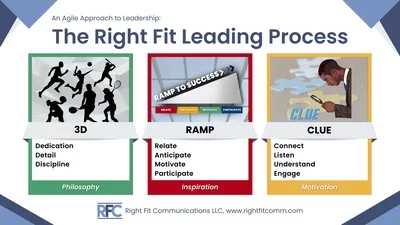
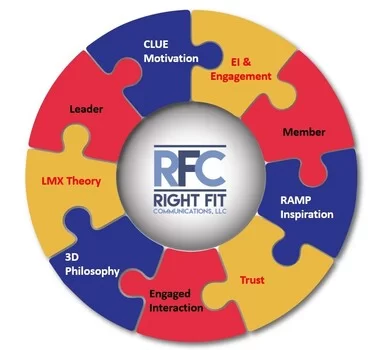
Dr. Brown’s research and engagements support the belief that good leadership is about philosophy, inspiration, and motivation. The Right Fit Leading Process is based on emotional intelligence and empathy for the leader and the member or follower. The process focuses on a consistent philosophy of the way we lead and follow. It suggests that we must inspire ourselves and others. Finally, it recommends that we motivate ourselves and others to take on challenges that we might not attempt otherwise. The process can help leaders and those they lead in diverse types of organizations and industries. The process is complementary to trust research from some dynamic colleagues. In the coming weeks, Dr. Brown will be sharing the details of this process.

Right Fit Leading: Philosophy, Inspiration, and Motivation Read More »

trust and work location preview small

Right Fit Leading: Let’s Talk Trust!

Trust is important. It is a key consideration as companies and employees engage in understanding and addressing their work-life relationship. When they engage, they often discuss work location: onsite versus hybrid versus remote work. Several experts in these areas have joined in analyzing how trust is a major issue in these deliberations. These experts are working on a new project to share those findings, but here are some trust highlights. Dr. Michael Brown When companies talk with their people about work location, they are often talking about trust and engagement and interaction with employees. Those who address and manage these trust issues may have easier decisions on location and process. Leslie Krohn In a trusting environment, supervisors can be honest about where work can happen. Trust allows employees to be honest about how and where they plan to work. This is important because everyone’s situation is different and every organization is different. Honesty and trust ensure a good, productive, sustainable outcome. James Goodwin The conversation almost certainly shifts back to the issue of trust. That means that if an employee can’t be effective where they’re physically located, it does not really make a difference, right? Deirdre Breakenridge What I’ve experienced in my career is that all work-related roads lead back to trust. The trust you have in your employees, and the trust they have in you.

Right Fit Leading: Let’s Talk Trust! Read More »

18

Right Fit Leading: Focus on Engagement

Let us talk about engagement. A common misunderstanding focuses on whether and how much engagement is involved. A 2012 study concerning engagement (Stillman, 2012) illustrates the great disagreement in the way leaders and their employees view engagement. In this study, CEOs, employees, and human resources professionals each answered questions about how they view their company in terms of engagement. The answers are very different in each group. More than half of the CEOs surveyed believe that spontaneous feedback, or engagement, happens frequently in their organization. Also, more than 60 percent of employees cited a preference for immediate feedback, or engagement. However, less than 25 percent said it is something they receive. Additionally, just 11 percent of the human resources people surveyed believed that employees receive immediate feedback. Finally, leaders, employees, and human resources professionals differed greatly on the existence of and frequency of recognition. Because these three groups view feedback differently, we must reconsider our understanding of engagement. Yes, engagement is a powerful tool. Engagement requires communicating to achieve shared understanding. Engagement can also suggest policy or procedure adjustments once we identify an issue. The goal for leaders is that they practice and pursue engagement to achieve that shared understanding. Do you engage on a regular basis? Stillman, J. (2012). Do Bosses and Employees See Eye to Eye on Anything? Inc.com. Retrieved from https://www.inc.com/jessica-stillman/do-bosses-and-employee-see-eye-to-eye-on-anything.html

Right Fit Leading: Focus on Engagement Read More »

author 4

Right Fit Leading: “The Talk”

Companies and their leaders get anxious when deciding on having “the talk” with employees. “The talk” can be positive or negative and it goes beyond whether people are onsite, remote, or hybrid workers. Let us look at leading and managing employees with a focus that is as much on the engagement as it is on the issue. No matter where people work, leaders must employ open and honest communication at every opportunity. I am seeing many wonderful approaches to leadership, but leaders must be agile in the way they communicate. There are 4 ways leaders can ensure successful communications. Engage. Ensure that the conversation pays attention to the views and commitments of all parties with an equitable focus on these issues. Listen. Make sure you hear what everyone is saying. Good listening is like good research. The researcher is after truth regardless of the reason for the effort. Understand. Listen to understand, not to reply for the best results. Then do what good communication requires by analyzing what you have heard and compare it to what you already know. If your approach needs to change based on that understanding, you might want to schedule a session at another time. But make sure to schedule the session. Connect. Conduct the rest of the engagement in search of a win-win outcome. If that is not possible, strive for a shared understanding where all parties know the engagement’s views and commitments, proposed goals or outcomes, and next steps. I hope this engage-listen-understand-connect roadmap for “the talk” is helpful for you. Let me know if you would like to discuss further.

Right Fit Leading: “The Talk” Read More »

service 3 1

Right Fit Leading: Consider Hiring Culture

Organizations need to consider their hiring culture to make sure they are kind to job seekers. This may not be someone you eventually hire, but it is someone who has a voice and who can speak volumes about your organization. Why am I writing this? A person I am mentoring recently went for an in-person interview and he was very excited about the prospects. The company told him they were filling more than one position. When he arrived for the interview, he was one of some 40 people undergoing a group interview for 4 positions. Then the organization announced that there would be a chance for people to stay for in-person interviews in the afternoon. My mentee said many people left at that point. In addition to telling job hunters the pay levels of the positions they are seeking; employers should practice full disclosure in advance about how the interview will be conducted. They should also give the person a good sense of where they are in the interview process. I am not a life coach; but I am skilled in leader and business development. The best advice I give to those I mentor about job hunting is to understand that if it is not in writing, it does not exist. That extends to how, when, and where the interview will be conducted. Have you had similar experiences?

Right Fit Leading: Consider Hiring Culture Read More »

diapositiva1 small

Info Series: Training the Leader

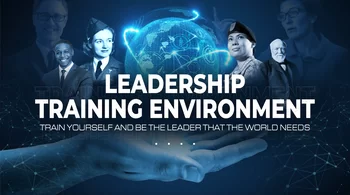
My conversations with leaders often focus on training. Lately, they indicate a need to change the focus of training the leader from the traditional leader-centric philosophy to one of engagement, interaction, and collaboration. This creates an atmosphere where leaders and those they lead have equal opportunities to affect the leader-follower relationship. Over the last 2 years, I have taken a closer look at leadership training for various education and business projects. The analysis suggests that a lot of training courses, regardless of type (i.e., prescriptive, elective, etc.) is rooted in an authoritative approach. This approach shows the predominance of leadership styles expected and/or taught are dictated and driven by the leader/supervisor.  Likewise, these styles are steeped in the expectation that the leader/supervisor can define his/her level of feedback, with little to no emotional investment involved with subordinates. In addition, this approach suggests that the success of the leader/supervisor-follower relationship is the lone responsibility of the leader/supervisor.  I say this thinking has some flaws, and this style of training misses the mark. The flaws can limit maximizing the interactive engagement in an effective leader/supervisor-follower relationship. Instead, what is perpetuated is a “disengaged” relationship in the work environment, a lack of understanding between leader/supervisor-follower teams, and poor collaboration toward meeting a desired end state. My continuing research, led me to \”Training the Leader Trajectory: Focusing on People, Empathy, and Emotional Intelligence (EI) in the Workplace.” Achieve an equitable work culture where all members, regardless of their role, have equal participation and decision-making ability in the operations and culture of the organization. This ensures that emotions and empathy are inherent to the leadership style. Then, feedback is encouraged and expected of all parties, all parties can become emotionally invested in their efforts, and everyone strives toward greater collaboration and teamwork. I am excited about how this is developing. Please let me know if you would like to know more about my approach to leader training.

Info Series: Training the Leader Read More »

right fit leading info series small

Right Fit Leading: Motivation

Just sharing some motivation quotes that are in my collection. I have used these and others before and during games with the teams I have coached. You have to expect things of yourself before you can do them. Michael Jordan Do not let what you cannot do interfere with what you can do. John Wooden The minute you start talking about what you are going to do if you lose, you have lost. George Shultz You can become a winner only if you are willing to walk over the edge. Damon Runyon What is your favorite motivational quote?

Right Fit Leading: Motivation Read More »

0