
Leadership

counter 3

Right Fit Leading: Emotional Intelligence, Again

Building a collaborative culture that emphasizes the strengths of every person on the team is a key benefit of emotional intelligence (EI). EI also allows the leader-member relationship to identify and improve the weaknesses of all parties. An open communication bond in your organization will ensure that the same opportunities are afforded fairly to all parties. EI research tells us that leaders must understand their own emotions and emotional experiences, giving them the tools necessary to help other control their own emotions. The key is to reflect on one’s own emotions, the meaning of those emotions, and the underlying associations between emotions and outcomes. These skills should lead to quality relationships, effective communication, and regular feedback to create an atmosphere of trust, opportunity, and innovation. These are but a few of the benefits of EI. “The delicate balance of mentoring someone is not creating them in your own image but giving them the opportunity to create themselves.”  — Steven Spielberg

Right Fit Leading: Emotional Intelligence, Again Read More »

3d partial cover small

3D COACHING: In Search of Excellence

The key to success is knowing your people. Work with them to find a challenge that can help them grow and prosper. Challenging people is important to motivating them. You want them to strive for something more than they think might be possible. You want to allow them to be creative in that pursuit, because that allows them to think outside the box. They may perform better than ever with this kind of freedom. Success is achieved by energizing people to give the effort and enthusiastically support the team, sometimes having to put their personal desires on the back burner. The leader’s job is to allow those personal desires to be part of the goal, so everyone gets something that they value. You may find that this approach leads to people being ready, willing, and able to put even grievances aside for a common goal that is personally and professionally rewarding. This is when you know you have created an effective team.

3D COACHING: In Search of Excellence Read More »

photographer

3D COACHING: So Many Gifts

I am fortunate because coaching delivers so many gifts. I met Luke Christensen about 3 years ago when he asked me if he could take photos of my football team’s games. Before I knew it, I saw him taking photos at many sporting events. Fast forward to Luke the professional photographer. In true 3D fashion (Dedication, Detail, Discipline), his business is growing and he’s adding education to his resume. I was very happy to hear from him this week. “Yesterday had been 2 years since I started doing sports photography officially. Just wanted to say thank you again! That was the door opener to a career for me. From that moment I knew I wanted to do sports photography. I am now shooting for college and team (opportunities), and I leave for college in June. You can check out my work here! 

3D COACHING: So Many Gifts Read More »

analyzing telework book e1666299180827 (1)

Analyzing Telework, Trustworthiness, and Performance Using Leader-Member Exchange

Happy that IGI Global moved up the publication date of my new book from January 2022 to October 2021. Analyzing Telework, Trustworthiness, and Performance Using Leader–Member Exchange takes a COVID perspective to address an understanding of and solutions to teleworking, trustworthiness, and performance issues. Overall, it suggests using a strategic approach that encourages participation and that is required to achieve, understand, and build buy-in for teleworking. The organizationally sanctioned program must exist. The use of LMX is beneficial in exploring the factors that contribute to motivating the target audience: employees. A culture of self-motivation is necessary to empower employees, but there must also be a culture of enforcement when needed. Finally, buy-in at all levels of the organization is crucial to the success of a telework program. The parts of the strategic approach mentioned here will be enhanced with the resources provided in this book: how to develop leaders, motivating employees, increasing productivity, using EI, managing radical change, and learning from the research provided. Viewed through the lens of a management context, these components make the recommended strategic approach possible and can deliver an effective framework for results.

Analyzing Telework, Trustworthiness, and Performance Using Leader-Member Exchange Read More »

coelho with caption

Right Fit Leading: Dynamic Quote

While watching the movie “Extraction” starring Chris Hemsworth and Rudhraksh Jaiswal, Jaiswal says to Hemsworth, “You drown not by falling into a river, but by staying submerged in it.” Jaiswal said he read it in a book. For me, the quote speaks to perseverance, commitment, and positivity. The quote was so profound to me that I had to Google it, and I found that it is from Paulo Coelho de Souza, a Brazilian lyricist and novelist. According to Google Books, his works have sold more than 175 million copies worldwide. Of course, I checked for other Coelho quotes and found many. Another one I like is “There is only one thing that makes a dream impossible to achieve: the fear of failure.” Dare to try.

Right Fit Leading: Dynamic Quote Read More »

2011 09 23 07.44.34 (1)

Right Fit Leading: Leaders Must Create Relationships

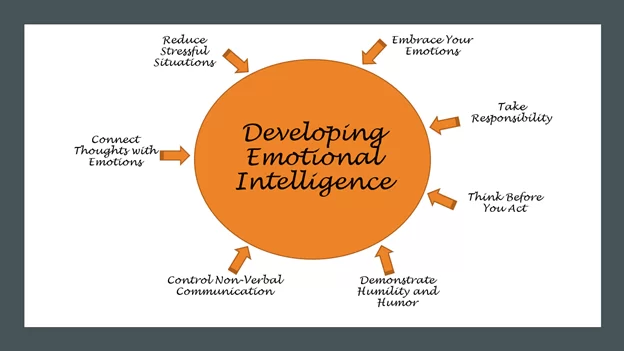
Last week I wrote about emotional intelligence in the workplace and the benefits that can be derived from its use. Developing leaders is about creating and nurturing relationships. Leaders in leadership development courses are taught to control emotions, take responsibility, think before acting, control all types of communication, and reduce stressful situations. In terms of controlling emotions, it is important to clarify that EI specifies embracing emotions and taking the appropriate action based on your emotions and the emotions of those around you. What leadership development training sometimes misses is the cultivation of relationships. How many times has the boss gone off to training and come back with grand ideas for change while the workers ensured business as usual? How many times have workers gone off to training and had no opportunity to share what they learned? In both cases, the leadership development value can be lost when the course is over. I am in favor of team training and role reversal where leaders and team members can bond and grow as a unit. One way to do this in training is to specify a task that must be completed and a report that must be done within strict time limits. The trick is to make a non-leader the boss and only give the details, the end state, and the reporting requirements to that person. The new boss then “trains” the team and accomplishes the task. Of course, there will be challenges and maybe even uncomfortable situations, but an experienced moderator can help the team through those times. This would of course be followed by a detailed outbrief led by the moderator. Using this method, the team comes back from the training with a better understanding of each other. This understanding is important to building your cohesive unit that not only understands each other, but that has found a way to manage the tough times. Whether your organization uses this approach or some other one, I suggest you keep Communication Accommodation Theory as the foundation of your efforts to bond the team together. The theory shows you how to adjust verbal and nonverbal interactions while emphasizing or minimizing differences between participants. These interactions use language, context, identity, and intergroup and interpersonal factors to find common ground. I suggest that leadership development is a team activity that, done well, creates great relationships.

Right Fit Leading: Leaders Must Create Relationships Read More »

developing ei (1)

Right Fit Leading: EI in the Workplace

Emotional Intelligence (EI) is the ability to sense, understand, and effectively personal emotions and the emotions of those around you to get the best of human energy, information, trust, creativity, and influence. EI can deliver the following benefits: Embrace your emotions Take responsibility Think before you act Demonstrate humility and humor Control non-verbal communication Connect thoughts with emotions Reduce stressful situations EI is useful for career success, helping leaders and their staffs build a collaborative culture, emphasize everyone’s strengths, and work to mitigate weaknesses. EI is a method that can create strong bonds in teams by sharing technical expertise and creating solid recommendations for action. There are key components to EI in the workplace: self-awareness, self-regulation, social awareness or skill, empathy, and motivation. Self-awareness is the ability to know your emotions, strengths, weaknesses, and motivators and how they affect others. Self-regulation is the ability to manage personal emotional state and to think before acting. Social awareness or skill refers to proficiency in managing relationships, finding common ground, and building rapport. Empathy is about understanding and appreciate other people’s emotions, strengths, weaknesses, and motivators and use the knowledge to guide your behavior. Motivation is the passion and persistence that guides your efforts in reaching team goals. Two theories are helpful for those who embrace EI. Sensemaking Theory is a collaborative process that creates shared awareness and understanding out of different individuals’ perspectives and varied interests. Communication Accommodation Theory addresses adjusting verbal and nonverbal interactions to emphasize or minimize differences between participants. These interactions use language, context, identity, and intergroup and interpersonal factors to find common ground. There are many benefits to developing EI in the workplace beyond those listed here. I look forward to continuing the discovery.

Right Fit Leading: EI in the Workplace Read More »

beach scene silhouette 20 small

Right Fit Leading: Take Care of You

My simple plan for the week might be just what you need. va·ca·tion – /vāˈkāSH(ə)n,vəˈkāSH(ə)n/: an extended period of leisure and recreation. re·lax·a·tion – /rēˌlakˈseiSH(ə)n/: the state of being free from tension and anxiety. re·ju·ve·nate – /rəˈjo͞ovəˌnāt/: give new energy or vigor to; revitalize. in·ac·tiv·i·ty – /inakˈtivədē/: the state of being inactive; idleness.

Right Fit Leading: Take Care of You Read More »

img 1

Right Fit Leading: Engagement is the Key

A few days ago, I had the opportunity to comment on an article about taking a leader assessment. This was an article titled “How to Spot an Incompetent Leader.” It focused in part on the importance of a leader taking a personal assessment to determine their effectiveness. This was an engagement article, and my initial comments were about combining a personal assessment with an assessment by those you lead. It’s important to find out what they want, what they like, what makes them tick, and incorporate that into the way you lead them. Sometimes you can\’t find a fit, but that too is a growth opportunity. I have a running joke with someone who worked for me before. I always say, “I get you,” to let that person know that I’m listening and I’m trying to maintain our shared understanding. Engaging your team members and working to include their desires as part of your organizational goal, where possible, can bring success. This focus can provide great benefits in terms of enriched employees who are loyal and who want to stay with the organization.

Right Fit Leading: Engagement is the Key Read More »

0