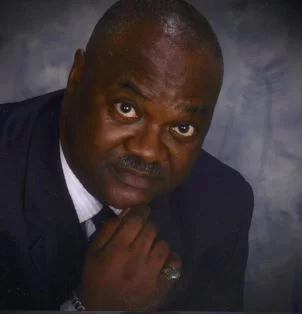
By Dr. Michael A. Brown Sr., PhD Deputy Director, JTF-CS Public Affairs May 24, 2017 FORT EUSTIS, VA – – President Barack Obama said, “If we aren’t willing to pay a price for our values then we should ask ourselves whether we truly believe in them at all.” President Thomas Jefferson said, “The price of freedom is eternal vigilance.” These words should be special to Joint Task Force Civil Support (JTF-CS) members as we celebrate National Military Appreciation Month. We are “Ever Vigilant and Always Ready” to support our Nation when it needs us most, but the quotes shared here speak poetically to service in general. If they affect you in the same way they affect me, they make you focus on what your own contribution to service really means. The May observance is important because over many years groups of volunteers took action to capture the public’s attention to honor the support, awareness, and patriotism of military members and their families. National Military Appreciation Month (NMAN) officials describe the start of the observance “as a simple idea; to gather America around its military to honor, remember, recognize and appreciate those who serve and have served.” The fact that volunteers took action to make this national observance a reality is in tune with the military tradition. Even in times when there was a draft, there were brave men and women who still volunteered to support and defend this country; to keep Americans safe from any harm from any enemy foreign or domestic. As I participate in the observance and some of the special events in the community, I think back to my days of military service. When I enlisted, I was not thinking about protecting anyone. I wanted a good job and I wanted a chance to travel. Along the way, I got more than I bargained for, because I started to learn about service. Service is about people doing something that needs to be done even if others aren’t doing it. It is a selfless act to support an idea of what this country has always been about. I want to share two major events in my military career that taught me what service is all about. The first was really a series of events. I spent my career in public affairs, so I worked Air Force open houses in North Carolina, New Jersey, Illinois, and Kaiserslautern, Germany. An open house is when the installation opens to the public for free; letting anyone come experience what the military has to offer. As I worked the events, the joy on the faces of people to see what we do to protect our nation made me proud. When I worked the events in the U.S., people wanted to know where we were from and they wanted to know what job we did. They loved the aircraft, but I felt that they loved us more. My experience working open houses in Germany was feeling a great deal of respect from the German people. They seemed very thankful and they anxiously told us about their country. Most seemed genuinely interested in why we do what we do. When we ventured into the Kaiserslautern community, we were received with open arms everywhere we went. The second event was the primary experience in getting me to fully appreciate the gift of service. It was the return of the remains of the Unknown Soldier of Vietnam in spring 1984, a remembrance of fallen veterans from World War I, World War II, Korea and Vietnam. The Tomb of the Unknown Soldier is the resting place for one servicemember representing all unidentified persons from each conflict. I worked media escort for the Air Force as an Army caisson carried the Vietnam Unknown from the Capitol to the Memorial Amphitheater at Arlington National Cemetery on Memorial Day, May 28, 1984. President Reagan presided over the funeral and presented the Medal of Honor to the Vietnam Unknown. The ceremony was amazing and the pride I felt in being a part of bestowing these honors is still overwhelming. To know the true meaning of this sacred place, you only need to read the inscription on the back of the Tomb: “Here rests in honored glory an American soldier known but to God.” The Vietnam crypt now has the inscription “Honoring and Keeping Faith with America’s Missing Servicemen, 1958-1975.” These events are the reasons we serve. And as we serve, we remember. We remember all those who went before us, wearing the uniform and paving the way for our service. We remember those who stand beside us and stand guard, making sure Americans are always safe. And as we remember, we applaud those who have joined the defense line to take protection and safety into the future. I retired from the Air Force as a chief master sergeant after 24 years. My fondest memories are my days in service to the proper morale, welfare and utilization of the force. The military changed me and made me see that in our service we are responsible for every American. I miss my time taking care of the troops. National Military Appreciation Month is every month for me. I hope it is for you. EDITOR’S NOTE: In 1998, DOD scientists using DNA testing identified the remains of the Unknown Soldier of Vietnam as those of Air Force 1st Lt. Michael Joseph Blassie. He was shot down near An Loc, Vietnam, in 1972. Officials decided that the remains of the Vietnam Unknown will now remain vacant. See the story at: http://www.jtfcs.northcom.mil/News/News/170524_militaryappreciation.aspx or www.facebook.com/jtfcs.