Trustworthiness

imageedit 6 6322409839

Right Fit Leading: Trustworthiness

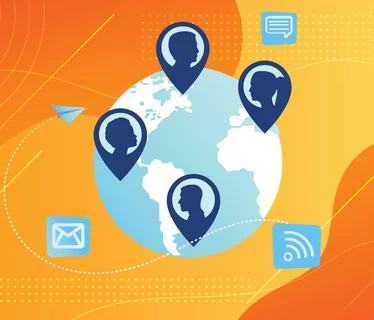
Trustworthiness is the quality of a person, or a thing, that inspires reliability. When trustworthiness exists, it is shown through several qualities. These include being respectful, honest, consistent, positive, and selfless. Leaders who can admit mistakes, acknowledge weakness, applaud strength, and help each other should do well. Also, those who can promote those qualities in the workforce will be highly capable of building trust. Mutual trust is important, and everyone has a lot at stake with trust issues because of the inherent risks. Those risks are about putting one’s faith or a pending decision in the hands of someone if a sense of confidence has not been developed. Once confidence in others grows, emotions can be shared, and real issues can be addressed. I look forward to future discussions on trustworthiness. Graphic by macrovector on Freepik

Right Fit Leading: Trustworthiness Read More »

about (1)

Right Fit Leading: Telework Has a Bad Reputation

Telework has a bad reputation. This can be caused when employers and employees fail to understand it. Companies may fail to see the ability for the employee to be as productive whether in the the office or working remotely. Remote employees may fail to be accountable for 8 or so productive hours of tangible work each day. The company may not have a process to address these issues. Or, the company may lack a process that is clear and easy to follow. Following standards and being accountable are difficult in these situations. Open, honest discussions about trust and work location are keys to success.

Right Fit Leading: Telework Has a Bad Reputation Read More »

analyzing telework book e1666299180827 (2)

Right Fit Leading: The Beauty of a Network

Thanks to Jim Goodwin, Leslie Krohn, and Denise Siegfeldt for helping me make my latest book a reality well ahead of my publisher’s deadline. As I look at my author’s copy, I realize it would not be in my hands now if you had not worked with me. I also must thank the 13 great friends who indulged me in qualitative interviews to share their thoughts on COVID and telework. Analyzing Telework, Trustworthiness, and Performance Using Leader-Member Exchange: COVID-19 Perspective. The book focuses on evaluating the response to the pandemic and on how to continually improve teleworking and organizations in their utilization of remote work. This book provides multifaceted perspectives focused on all parties involved in these issues, covering topics such as employee risk, telework resistance, and performance. I am anxious to share my research or to engage in research with people and organizations concerning these compelling issues and concepts.

Right Fit Leading: The Beauty of a Network Read More »

analyzing telework book e1666299180827 (1)

Analyzing Telework, Trustworthiness, and Performance Using Leader-Member Exchange

Happy that IGI Global moved up the publication date of my new book from January 2022 to October 2021. Analyzing Telework, Trustworthiness, and Performance Using Leader–Member Exchange takes a COVID perspective to address an understanding of and solutions to teleworking, trustworthiness, and performance issues. Overall, it suggests using a strategic approach that encourages participation and that is required to achieve, understand, and build buy-in for teleworking. The organizationally sanctioned program must exist. The use of LMX is beneficial in exploring the factors that contribute to motivating the target audience: employees. A culture of self-motivation is necessary to empower employees, but there must also be a culture of enforcement when needed. Finally, buy-in at all levels of the organization is crucial to the success of a telework program. The parts of the strategic approach mentioned here will be enhanced with the resources provided in this book: how to develop leaders, motivating employees, increasing productivity, using EI, managing radical change, and learning from the research provided. Viewed through the lens of a management context, these components make the recommended strategic approach possible and can deliver an effective framework for results.

Analyzing Telework, Trustworthiness, and Performance Using Leader-Member Exchange Read More »

3 small

Right Fit Leading: COVID and Telework, Conclusion

In Part 5, information about leadership development showed ways to determine and/or strengthening leadership style. A trusting connection with clear roles and responsibilities can assist with maintaining a quality work environment. My research addresses understanding of and solutions to teleworking, trustworthiness, and performance issues. Overall, it suggests using a strategic approach that encourages participation and that is required to achieve, understand, and build buy-in for teleworking. I recommend an organizationally sanctioned program that uses leader-manager exchange (LMX) theory to address the factors that contribute to motivating the target audience, the employee. A culture of self-motivation is necessary to empower employees, but there must also be a culture of enforcement when needed. Finally, buy-in at all levels of the organization is crucial to the success of any telework program. My work is focused on refining a strategic approach using important elements: how the organization develops its leaders, motivates employees, and increases productivity; how organizations use EI principles, managing radical change, and learning from available research. These factors can be used to deliver outstanding results. NOTES: I offer this series to help leaders and members reinforce what we know, discover what we do not know, and identify what we should ask questions about. The results are intended to assist everyone to deal with positive and negative aspects of telework. This is part of my educational journey that I hope has provided you with some valuable information.

Right Fit Leading: COVID and Telework, Conclusion Read More »

3 small

Right Fit Leading: COVID and Telework, Part 3

In Part 2, the discussion focused on using best practices in standards and team building and following LMX theory. This relationship-based approach is useful because collaborative interactions and adjustments to new or distributed operations are happening in the workplace every day. Companies are trying to determine what “back to work” should look like, and workers are trying to take advantage of the positive work life changes they found in COVID. As the workplace changes, it is important to pay attention to trustworthiness and performance as they relate to telework. Trustworthiness is the quality of a person, or a thing, that inspires reliability. When it exists, behaviors like being respectful, honest, consistent, positive, and selfless will be evident. Success will require managers who can admit mistakes, acknowledge weakness, applaud strength, and help each other, and who can promote those qualities in employees. This will build mutual trust, which is important because everyone has a lot at stake based on risks inherent in trusting another person. Those risks are about putting one’s faith or a pending decision in the hands of someone in whom you have not yet developed confidence, or in whom there are limits to that confidence. Managers who follow telework policies developed in response to COVID-19 are building trust. Trust can then grow as emotions are shared and real issues are addressed professionally. NOTES: I offer this series to help leaders and members reinforce what we know, discover what we do not know, and identify what we should ask questions about. The results are intended to assist everyone to deal with positive and negative aspects of telework. This series is my educational journey that I hope is valuable to you.

Right Fit Leading: COVID and Telework, Part 3 Read More »

3 small

Right Fit Leading: COVID and Telework, Part 2

In Part 1, I examined how COVID dramatically changed our world in terms of telework specifically and remote life in general. In this exploration I want to share some of my research to date. I must thank my current colleagues for their discovery efforts and conversations regarding these issues. When we examine teleworking, we find that important relationships must be created and/or nurtured to bring success to organizations that use this technique. There are best practices to be learned in terms of communication, flexibility, standards, and team building. Communication best practices include managing both face-to-face and online situations, while flexibility best practices help in achieving work-life balance. Best practices in standards and team building relate in part to collaborative relationships and adjustments to new or distributed operations. The best practices must be driven by a set of rules for operating that should be driven by shared understanding between leaders and members. I use those terms instead of employee and supervisor because I am basing this approach on the theory of leader-member exchange (LMX). LMX is a relationship-based approach for managing teams. It drives leader effectiveness through developing dyadic (two-way) relationships with members. I believe the discussion is important, as some organizations have made the decision to greatly reduce or to abandon telework. In fact, we see stories everywhere about workers who would rather resign that come back to the office. These are issues organizations must deal with in one way or another. NOTES: I offer this series to help leaders and members reinforce what we know, discover what we do not know, and identify what we should ask questions about. The results are intended to assist everyone to deal with positive and negative aspects of telework. This series is my educational journey that I hope is valuable to you.

Right Fit Leading: COVID and Telework, Part 2 Read More »

3 small

Right Fit Leading: COVID and Telework, Part 1

We all realize that COVID dramatically changed our world in terms of telework specifically and remote life in general. We are still learning new things about balancing family and work, trustworthiness, performance, and accountability issues, important changes and discoveries about the way the world goes to work, and discussions of the dynamic ways people communicate. Along with several colleagues, much of my research has turned to examinations of the reasons for resistance to telework to shed light on how COVID has changed us. So far, information from qualitative interviews concerning telework, an evaluation of employee engagement now and in the future, and ideas and actions that should prove helpful to organizations are at the heart of the discovery. A variety of issues or concerns are evident, including distractions, fatigue, accountability, communication, productivity, technology, coping, work hours, resources, and telework plans or the lack thereof. The analyses I speak of are intended to help leaders to reinforce what we know, discover what we do not know, and identify what we should ask questions about. We can use these results to assist us in working through positive and negative aspects of telework. This is the first in a series, but I don’t know how many parts there will be. I am simply looking forward to the educational journey.

Right Fit Leading: COVID and Telework, Part 1 Read More »

0